Need polyaspartic floor coating services in Old Westbury?
Request an estimate and tell us about your floor. A local provider in our network can follow up with next steps. Request a callback if you prefer to talk.
No obligationRequest an estimate today
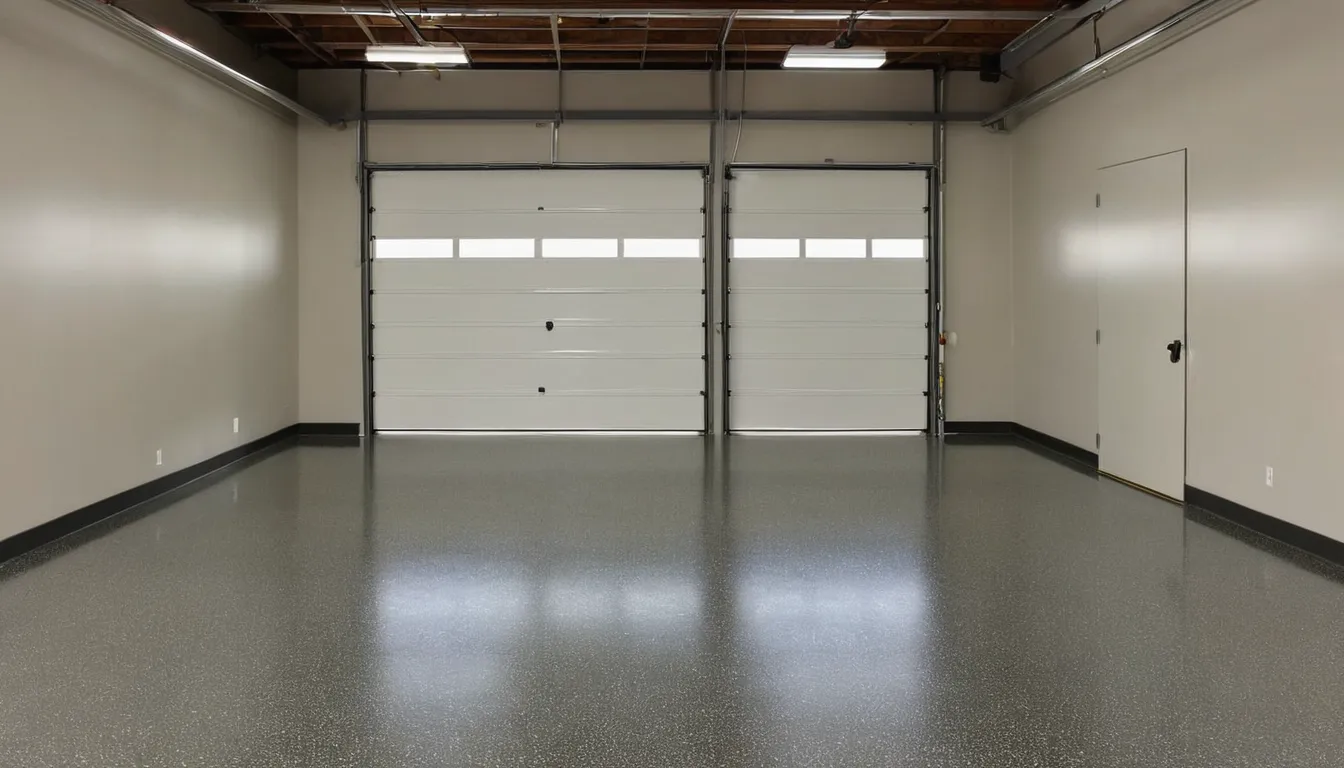
Polyaspartic is a floor coating made for concrete. It goes on as a liquid, then cures into a hard, glossy layer. The big draw is speed. Many polyaspartic coatings set up faster than traditional epoxy, so a garage may be back in use sooner. It also resists UV light, so it is less likely to turn yellow where the sun hits the door.
Lightrings Floor Coating is a referral service. We do not do the work. We explain the basics in plain words, then connect you with an independent provider in our network near Old Westbury. The provider looks at your slab, explains the options, and gives you a written quote. Use the form to request an estimate and compare it with your plans.
Say you have pulled everything out of the garage. The bikes are on the lawn. The shelves are in the driveway. The car is parked on the street. Now you want it all back inside.
This is where polyaspartic shines. It cures fast. Many coatings are ready for foot traffic in hours and for cars in a day or two. The exact time depends on the product, the temperature and the thickness. Ask the provider for a real schedule before you move anything.
Think of it as a close cousin of epoxy. It is a liquid plastic that bonds to concrete and hardens into a smooth shell. Chemists built it to cure quickly and to hold up in sunlight.
Start with the slab. The coating is only as good as the concrete under it. That is why prep matters more than the brand name on the bucket.
Epoxy is thick and strong. It is a fine choice for many floors. If you are still weighing epoxy garage floors, that is a normal first question.
Polyaspartic has a few different habits:
Neither one is a winner for every home. Your slab, your budget and your schedule decide.
A full system uses polyaspartic for the base, the color layer and the clear top. A hybrid uses epoxy as the base and polyaspartic as the top coat.
Picture a garage with a big south-facing door. Afternoon sun pours in. A polyaspartic top coat helps the floor keep its look there. The epoxy base below keeps the cost in check.
Ask the provider which one they suggest and why. A good answer is specific to your floor.
It helps to know the steps before anyone shows up. Here is the usual order.
The provider grinds the surface with a diamond grinder. This removes dirt, old sealers and weak concrete. It also gives the coating something to grip. Acid washing and a quick sweep are not the same thing.
Cracks, chips and pitted spots get filled. In an older home, the slab may have years of patching and settling. Good repairs now keep ripples from showing later.
The provider rolls on the base, scatters flakes if you want them, then adds the clear top coat. Because the product sets quickly, the crew has to move in a steady rhythm.
Keep pets, tires and heavy boxes off until the provider says go. Rushing this step is how people end up with marks.
Garage floors are the obvious spot. It also suits a basement slab, a workshop, a breezeway, a covered porch or a patio. Basements in older homes with stone or block foundations need a closer look. Damp slabs can push a coating off. Ask for a moisture test.
Polyaspartic is for concrete. If you are also planning hardwood flooring installation upstairs, that is a separate job. Many providers in a network handle more than one floor type, so it is fine to ask.
Picture a cold garage morning in late fall. The slab is chilly and damp. That can slow prep and affect how a coating bonds.
Cold, snowy winters and melting snow in spring can leave a slab wet from below. Salt-streaked tires drag that moisture inside. Many providers prefer mild, dry spells. Some products can go down in cooler air. Ask what range the product allows.
A simple rule: plan early. Do not wait for the first hard frost to book.
This is the fun part. You can pick a solid color, or you can scatter colored flakes across the floor. Flakes hide dust, tire marks and tiny flaws. They also add grip.
Gray and tan are popular because they hide dirt. Darker blends look sharp but can show dust. Ask to see a sample board in your own garage light. Colors look different under a bulb than they do in a showroom.
Some providers also offer custom floor finishes, like metallic swirls or a mix of two flake colors. Ask what is possible on your slab.
Daily care is simple. Sweep. Wipe up spills. Use a soft mop with mild cleaner now and then.
Two habits help a lot. Put a mat under the spot where wet boots land. And rinse winter road salt off the floor so it does not sit and dull the shine.
Avoid harsh scrapers and heavy dragging. A clear coat is tough, but it is not armor.
A clean, sealed floor makes a garage feel finished. Buyers notice. A tidy, coated slab can help a house show well when it is time to sell. Floor first, worries later.
Write these down. Ask each provider:
Ask before you coat. A confident provider will answer plainly.
The slab is ground, cleaned and checked so the coating can grip the concrete properly.
Chips, cracks and pitted spots are filled and leveled before any coating goes down on top.
Fast-curing layers are rolled on, with a clear finish that resists sun, scuffs and stains.
Choose solid colors or flake blends to hide dust and add grip.
Prices vary a lot by slab condition, size and system type. These are typical U.S. ranges, not quotes. Ask each provider for a written quote that lists prep, materials, flakes and cure time.
| Item | Typical range | Notes |
|---|---|---|
| Full polyaspartic, 2-car garage | $3,000 – $7,000 | Depends on size, prep and color choices |
| Hybrid epoxy base with polyaspartic top | $2,500 – $5,500 | Often a bit lower than a full system |
| Single-car garage | $1,500 – $3,500 | Smaller area, but setup costs still apply |
| Concrete grinding and prep | $1 – $3 per sq ft | Rougher slabs take more time |
| Crack and joint repair | $200 – $1,000 | Varies with how many repairs are needed |
| Decorative flakes or metallic finish | $1 – $4 per sq ft | Custom looks add materials and labor |
Fill out the short form with your garage size and goals, and note any trouble spots.
Lightrings Floor Coating connects you with an independent provider in our network near Old Westbury.
The provider checks your slab and explains the options and price.
If you hire the provider, they schedule the prep, coating and cure time.
We explain what polyaspartic is and what to ask, so you are not guessing before the first visit.
You are matched with independent providers in our network who work near you.
Ask each provider to put prep, materials and timing in writing so you can compare.
Request an estimate and decide later. There is no pressure to book.
Request an estimate and tell us about your floor. A local provider in our network can follow up with next steps. Request a callback if you prefer to talk.
No obligationMany polyaspartic coatings are ready for light foot traffic in a few hours and for vehicles in a day or two. Cure time depends on the product, the thickness and the air temperature, so ask the provider for a schedule.
It depends on your goals. Polyaspartic cures faster and resists sun yellowing, while epoxy often costs less. Many homeowners pick a hybrid. A provider can look at your slab and suggest one.
Often yes, after the slab is ground and the cracks are filled. Very damp or crumbling concrete may need extra work first. A provider can test the slab and explain what it needs.
Request an estimate and tell us about your floor. A local provider in our network can follow up with next steps. Request a callback if you prefer to talk.
No obligation