Need concrete floor coating in Old Westbury?
Request an estimate and tell us about your floor. A local provider in our network can follow up with next steps. Request a callback if you prefer to talk.
No obligationRequest an estimate to get started
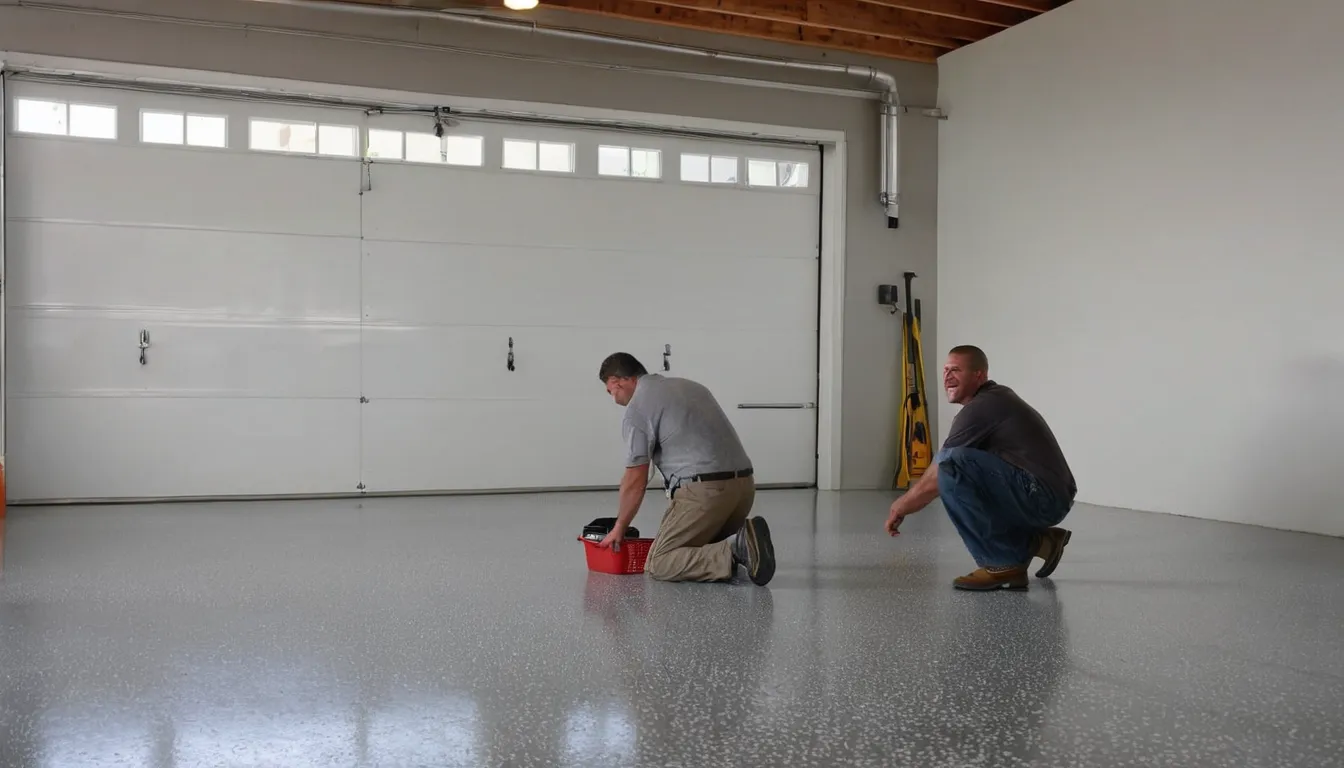
Say you step into your garage on a cold morning and the floor is dusty, stained and cracked at the edges. Bare concrete soaks up water, salt and oil. Over time it flakes and wears down. A concrete coating is a hard layer that sits on top and shields the slab underneath.
Lightrings Floor Coating is a referral service. We do not do the work. We explain the basics in plain words, then connect you with an independent provider in our network near Old Westbury. The provider checks your floor, explains the steps and gives you a written quote. You decide if it feels right.
Say you walk into the garage on a cold morning. The floor is gray and dusty. Your wet boots leave prints that stay for hours. That slab is asking for help.
A concrete coating is a thin, hard layer put on top of bare concrete. It seals the surface, hides small flaws and makes cleanup easier. A local provider in our network does the work. Lightrings Floor Coating explains the basics and makes the introduction.
Look for these before anything else:
Dusting and flaking come first. Loose bits can keep a new coating from sticking. Small cracks should be repaired early, before they widen.
Picture a snowy week. Cars drag in slush full of road salt. It melts, soaks in and turns to ice overnight. Then it happens again. Spring snowmelt and coastal storms add even more water.
Bare concrete is porous, like a hard sponge. A coating gives that water a barrier to meet first.
Many older homes have full basements with stone or block foundations. Say you open the basement door and smell damp air. The floor looks dry, but moisture may be rising from the ground.
Before any coating goes down, a provider should test for moisture. Some floors need a special primer. Others need the cause fixed first, like a gutter or drainage problem. Ask before you coat.
Now think about a back step in January. It is slick, chipped and rough on bare feet in summer. Outdoor slabs face sun, rain and ice.
Providers can use products made for outdoor use, often with a gritty texture for grip. A plain indoor product may fade or peel outside, so tell the provider where the floor sits.
A workshop floor takes a beating. Tools drop. Oil drips. Carts roll back and forth. Hot tires can lift a weak coating.
Heavy use may call for a thicker system. Tell the provider how you use the space so the plan fits the job.
A hose slips loose behind the washer and water spreads across the floor. A sealed surface keeps that water on top, where a mop can reach it. Mudrooms, utility rooms and enclosed porches all work the same way.
If you are also planning hardwood flooring installation upstairs, ask whether the provider offers it or knows who does.
Color is not just for looks. Speckled blends hide dust and small marks. Solid colors look clean and bright. Some finishes add grit for traction.
Ask to see a sample in your own light. A swatch under a shop bulb can look very different in your garage.
Here is the usual order. Your provider may vary it.
The surface is ground to open the pores of the concrete. Dust is vacuumed away. This step matters most.
Cracks and chips are patched and smoothed so they do not show through.
The base coat goes on, then any color flakes and a clear topcoat. Fumes can be strong, so plan to keep pets and kids out.
The floor needs time to harden. Ask when you can walk on it and when cars can return.
A sealer soaks into the concrete or forms a very thin film. It is simpler and usually cheaper. It helps with dust and light moisture.
A coating builds a thicker layer on top. It resists stains and wear better and offers more color choices. Epoxy garage floors and polyaspartic systems have their own pages here, so ask your provider which type suits your slab.
After curing, daily care is easy. Sweep, then mop with mild cleaner. Wipe up spills when you see them. Rinse winter salt off in spring.
Place mats under jack stands. Avoid dragging heavy metal across the surface.
Think of a buyer walking through your garage someday. A clean, even floor says the home has been looked after. A cracked, stained slab raises questions.
A solid coating also protects the concrete itself, which saves repair costs later. Floor first, worries later.
Write these on a card before the visit:
A good provider answers in plain words.
Request a callback to check provider availability in your area.
Grinding and cleaning so the coating bonds to the slab instead of sitting on dust.
Chips, pits and hairline cracks are patched and smoothed before any coating goes on.
Solid colors, speckled blends and textured grip finishes to match your space and daily use.
A clear final layer helps resist stains, salt, tire marks and everyday scuffs on the floor.
Prices vary by slab size, condition and product. These are typical U.S. ranges only. Moisture problems, big cracks and thicker systems can raise the total. Always get a written quote from the provider before work starts.
| Item | Typical range | Notes |
|---|---|---|
| Surface grinding and prep | $0.75 – $2 per sq ft | Often the key step for a lasting bond |
| Crack and pit repair | $100 – $600 | Depends on how many and how deep |
| Standard coating, per sq ft | $3 – $7 per sq ft | Thicker or decorative systems cost more |
| One-car garage | $1,200 – $3,000 | About 200 to 250 sq ft |
| Basement floor | $2,000 – $6,000 | Moisture testing may add cost |
| Patio or porch | $1,000 – $3,500 | Outdoor products and grip texture |
Tell us about your floor and where it is. Use the estimate form to share the details, or request a callback to check provider availability.
We connect you with an independent provider in our network who serves your area.
The provider looks at your slab and shares a written quote for you to read.
If it feels right, you and the provider agree on a date and plan.
We cover the basics first, so you know what to ask before anyone visits your home.
You are connected with independent providers in our network who work near your area.
Ask the provider for a written quote so scope and price are clear before work begins.
Requesting an estimate does not commit you. You choose whether to move forward.
Request an estimate and tell us about your floor. A local provider in our network can follow up with next steps. Request a callback if you prefer to talk.
No obligationIt depends on prep, the product and how much traffic the floor sees. Many last for years in homes. Ask the provider what to expect and get any warranty terms in writing.
Often yes. Small cracks are filled and smoothed first. Large or growing cracks may point to a deeper problem, so a provider should look at them before quoting.
No. A sealer is thinner and mostly protects the surface from dust and light moisture. A coating builds a thicker layer that resists stains and wear and offers more color choices.
Request an estimate and tell us about your floor. A local provider in our network can follow up with next steps. Request a callback if you prefer to talk.
No obligation