Need epoxy garage floors in Old Westbury?
Request an estimate and tell us about your floor. A local provider in our network can follow up with next steps. Request a callback if you prefer to talk.
No obligationRequest an estimate from a local provider
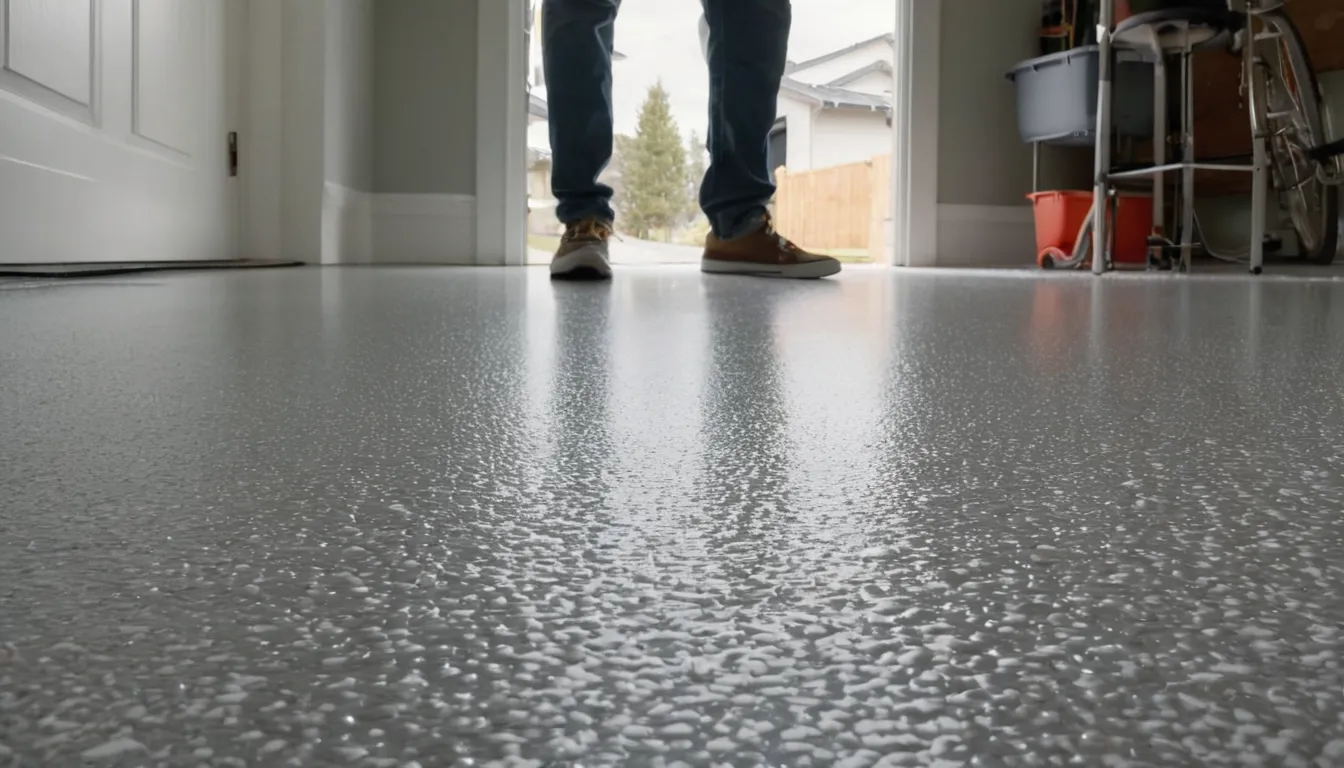
An epoxy coating turns a dusty, stained garage slab into a hard, smooth surface. It resists oil, road salt and melting snow. It also makes sweeping and mopping much easier. If you have never bought a floor coating before, the choices can feel confusing. This page explains them in plain words.
Lightrings Floor Coating is a referral service. We do not do the coating work. We explain the basics, then connect you with an independent provider in our network who serves the Old Westbury area. The provider inspects your slab, explains the options and gives you a written quote. You decide if it fits. There is no obligation to hire anyone.
Say you pull into the garage on a cold January morning. Your boots leave gray puddles. The floor looks dusty, there is a dark patch where the car drips, and a few flakes of old paint curl at the edge. It is easy to shrug off. But bare concrete acts like a sponge, and it keeps soaking up whatever lands on it.
Epoxy garage floors are a hard, glossy coating that seals that slab. This page is written for first-timers, so we keep it simple.
You do not need to be an expert to spot trouble. Look for these:
If you see two or three, a coating is worth a look. It makes sense to deal with cracks and pits early, before the surface gets worse.
Picture a snowy week. Cars carry in salt and slush. It melts, soaks into the concrete, then freezes again overnight. Over many winters, that cycle of frost and thaw can chip the top layer. Spring snowmelt and coastal storms add more moisture.
Older homes with stone or block foundations often have slabs that stay damp. A good coating helps shield the surface from all of it.
Here is the part most first-timers do not expect. The coating product matters less than the prep. Epoxy sticks to clean, rough, dry concrete. It peels from slick, dusty or oily concrete.
A provider will usually grind the surface with a machine, fill cracks and clean away oil. Ask before you coat: how will the slab be prepped? A simple spray of paint-style product over dust is not the same job.
Say it is April and the snow is melting. Water moves through the ground and up into the slab. If a coating goes over a very damp floor, bubbles and peeling can follow.
Many providers test the slab for moisture first. It is a small step that can save the whole job.
You will hear a few terms. Here is what they mean:
These custom floor finishes let you match the garage to your home. Flake is a popular pick for first-timers because it is forgiving and not slippery.
Most jobs follow the same path. The provider grinds and cleans the slab. Cracks are filled. A base coat goes on, then flakes or color if you chose them. Last comes a clear topcoat.
Between steps, the layers need time to cure. Many garages take a few days from start to finish, though it varies. Your provider will give you a schedule in the quote.
Imagine the garage door open on a bright afternoon. Over time, strong sun can make some epoxy turn yellow or look cloudy. A UV-stable topcoat helps slow that. It also adds scratch resistance.
If your garage gets a lot of direct light, mention it when you ask for an estimate.
A little prep from you helps the day go smoothly:
Upkeep is easy. Sweep or dust mop weekly. Mop with mild soap and water when it needs it. Wipe up spills when you see them. Use a doormat and avoid harsh scrapers. Wait the time your provider gives before parking or setting heavy things down.
When a buyer walks through a house, the garage tells a story. A clean, sealed floor says the home has been looked after. It pairs well with other upgrades, such as hardwood flooring installation inside the house, or concrete coating in a basement.
Doing the job right once is better than patching a failed coat later.
A good provider answers in plain words.
You tell us about your garage. We connect you with an independent provider in our network. They do the work and set their own price. Request a callback to check provider availability, or send the request form.
The provider checks cracks, stains and dampness before suggesting any coating.
Grinding and cleaning give the epoxy a rough, clean surface it can grip.
Pick solid, flake or metallic looks to suit your garage and your home.
A final layer adds shine, scratch resistance and some protection from sunlight.
Prices change with garage size, slab condition and the system you pick. These are typical U.S. ranges for a two-car garage, not quotes. Always get a written quote from the provider before you agree.
| Item | Typical range | Notes |
|---|---|---|
| Basic solid-color epoxy | $1,500 – $3,500 | Common for a clean, sound slab |
| Flake system | $2,500 – $5,000 | Hides flaws, adds grip |
| Metallic epoxy | $3,500 – $7,000 | More steps and skill needed |
| Crack and pit repair | $100 – $800 | Depends on how much damage |
| Old coating removal | $500 – $1,500 | Needed if paint or coating is peeling |
| Moisture barrier primer | $300 – $1,200 | Used on damp slabs |
Share your garage size and what you see on the floor using the request form.
We connect you with an independent provider in our network near you.
The provider looks at the slab and gives you a price and plan.
If you say yes, the provider preps and coats the floor and explains aftercare.
We explain the basics in simple words so a first-timer knows what to ask.
You are matched with independent providers who work in your area.
Request an estimate and decide later. Nothing requires you to hire.
A well-done floor keeps your garage looking cared for when it is time to sell.
Request an estimate and tell us about your floor. A local provider in our network can follow up with next steps. Request a callback if you prefer to talk.
No obligationIt depends on prep, product and use. A well-prepared floor can last many years in a home garage. Heavy wear, moisture and sun can shorten that, so ask your provider about the warranty.
Often yes. Providers usually fill cracks and clean or grind away stains first. Very deep damage or heavy moisture may need extra repair, so have the slab checked before you decide.
Smooth epoxy can be slick with wet boots. Many people choose a flake finish or add a grip additive to the topcoat. Ask the provider which option suits a snowy climate.
Request an estimate and tell us about your floor. A local provider in our network can follow up with next steps. Request a callback if you prefer to talk.
No obligation